Best SEO Optimisation Tool Picks for Faster Rankings
Compare the best SEO optimisation tool options by category — on-page, technical, content, and automated — and pick the right one to rank faster.

An SEO optimisation tool is software that audits a website, surfaces ranking gaps, and guides fixes across content, keywords, and technical health to lift search visibility. The strongest platforms now handle much of that work automatically. The problem is that most "best tool" lists lump 20 products into one ranked pile, which tells you nothing about fit. This guide sorts the market into five working categories — all-in-one, on-page, content, technical, and automated — so you can match a tool to the job in front of you instead of paying for features you never open.

Key Takeaways
| Point | Details |
|---|---|
| Category beats brand | Choosing by job (on-page vs technical vs automated) matters more than picking a famous name. Five categories cover every workflow. |
| One tool rarely does it all | Most sites run 2-3 tools; automated platforms are the exception that fold audit, content, and publishing into one system. |
| Automation is the real shift | An autonomous case study lifted organic clicks +142% over five months without the owner writing a word. |
| Free tiers get you started | Several strong free SEO tools cover snippets, meta tags, schema, and audits before you spend anything. |
| AI search changes the target | Answer engines like ChatGPT and Google AI Overviews now cite pages, so structured, quotable content matters as much as blue links. |
What an SEO Optimisation Tool Actually Does

An SEO optimisation tool does three core jobs: it diagnoses problems, prioritises fixes, and measures the result over time. Everything else is packaging. The category exists because search ranking depends on dozens of signals no person can track by hand across a full site.
Modern SEO optimization tools cover the full pipeline. Here is what that pipeline looks like in practice:
- Discovery — keyword research, competitor gaps, and search-intent mapping.
- On-page — titles, headings, internal links, and metadata scoring.
- Content — topic coverage, entities, and readability grading.
- Technical — crawlability, speed, indexing, and structured data.
- Monitoring — rank tracking, backlink growth, and traffic reporting.
No single free tool nails all five. That is why buyers usually compare a shortlist across categories, and why our team maintains a breakdown of the best AI SEO tools for readers who want the automated end of the market.
Q: How many SEO tools does one site need?
A: Most small sites run two to three: a technical crawler, a content or on-page scorer, and a rank tracker. Automated platforms collapse those into a single subscription.
All-in-One SEO Optimisation Platforms
An all in one SEO tool bundles keyword research, on-page scoring, technical crawling, and rank tracking into one dashboard. Semrush, Ahrefs, and Moz define this category. They suit teams that want a single source of truth and have someone to run it.
The trade-off is depth versus overwhelm. These platforms expose hundreds of reports, and entry plans sit in the low hundreds of dollars per month. For an in-house marketer, that breadth is a feature; for a solo owner, it is often paralysis.
Here is how the five categories compare at a glance:
| Category | What It Optimises | Example Tools | Best For |
|---|---|---|---|
| All-in-one platform | Keywords, content, technical, backlinks | Semrush, Ahrefs, Moz | Teams wanting one dashboard |
| On-page tool | Titles, headings, links, metadata | SEOptimer, Rank Math, Yoast | Fixing individual pages |
| Content optimisation tool | Topic coverage, entities, readability | Clearscope, Surfer, Frase | Writers and editors |
| Technical SEO tool | Crawling, speed, indexing, schema | Screaming Frog, Sitebulb | Developers and audits |
| Automated / AI tool | Audit + content + publishing on autopilot | SERP Agent | Owners without an SEO team |
Think of the all-in-one tier as the widest set of SEO marketing tools you can rent. It is frequently labelled the best SEO software by review sites precisely because it does everything adequately — not because it does any one thing best.
Pro Tip: Before buying an all-in-one platform, list the three reports you will actually check weekly. If the answer is fewer than three, a focused single-category tool will save money and cut noise.
On-Page Optimisation Tools
An on page SEO tool grades a single URL against its target keyword and tells you exactly what to change. SEOptimer, Rank Math, and Yoast lead here, and they are the fastest way to lift a page that is close but not quite ranking.
These tools score elements you control directly: the title tag, H1, heading structure, image alt text, internal links, and metadata length. Most give a live score that climbs as you edit, which makes the feedback loop obvious.
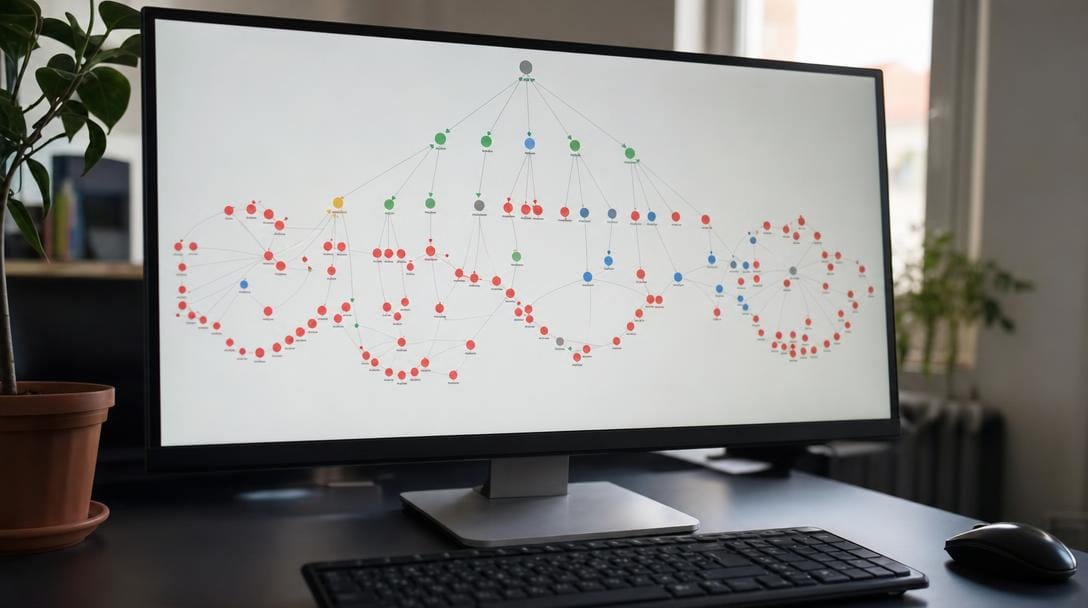
The honest limit: on-page scores measure format, not substance. A page can hit 100 and still lose to a competitor with better information. Use these tools to remove technical friction, then let content quality do the heavy lifting.
Pro Tip: Optimise the title tag and first 100 words of body copy before anything else. These two elements drive the largest share of both click-through rate and featured-snippet eligibility on a typical page.
Keyword & Content Optimisation Tools
A keyword optimisation tool finds the terms worth targeting; a content optimization tool then tells you what to write to win them. Clearscope, Surfer, and Frase dominate the content side by comparing your draft against the pages already ranking.
The two jobs are related but distinct, and buyers often confuse them.
Q: What's the difference between a keyword tool and a content optimisation tool?
A: A keyword tool outputs search volume and difficulty for terms; a content optimisation tool analyses the top-ranking pages and recommends topics, entities, and word count for your draft on one chosen term.
Content tools shine for writers and editors producing long-form pages. They surface the entities and subtopics Google expects to see, which raises topical coverage without keyword stuffing. Google's own helpful-content guidance rewards depth and originality, so treat these scores as a floor, not a ceiling.
Serp Agent can help: Instead of buying a keyword tool, a content scorer, and a publishing workflow separately, our system runs the whole loop — research, drafting, and publishing — on autopilot. Learn more →
Technical SEO Optimisation Tools
A technical SEO tool crawls your entire site the way a search bot does and flags what blocks indexing or rankings. Screaming Frog and Sitebulb are the reference crawlers, and every serious audit starts with one.
A proper SEO audit tool checks crawlability, redirect chains, broken links, duplicate content, page speed, and structured data. These are the invisible faults that cap a site's ceiling no matter how good the writing is. Google's Core Web Vitals documentation explains why speed and stability now influence rankings directly.

Technical work is where a good technical SEO foundation pays compound interest. Fix crawl and indexing once, and every future page ranks faster. A website optimisation tool that also validates schema helps you earn rich results, using formats defined in Google's structured data guidelines.
Pro Tip: Run a full crawl before publishing new content, not after. Fixing an indexing block or orphaned-page issue upfront prevents weeks of a page sitting invisible while you wonder why it will not rank.
Automated SEO Optimisation Tools

An auto SEO tool removes the human from the repetitive parts: it audits, prioritises, drafts, publishes, and monitors without daily input. This is the category the big listicles underplay, and it is growing fastest as the SEO software market keeps expanding.
An ai SEO tool goes further by using models to write, refresh, and internally link content around a strategy. SERP Agent sits here as AI SEO software built to replace a stack rather than add to it. The pitch is simple: one subscription instead of a team.
The proof is in the run, not the demo. In one documented case, organic clicks rose +142% and impressions +79% over five months of automated SEO optimisation on autopilot, with 94 articles shipped and the owner writing none of them. The same engine tracked rankings daily and refreshed pages the moment a competitor slipped.
Automation is not magic. It works because it applies known best practices consistently, at a cadence no busy owner sustains by hand.
How to Choose an SEO Optimisation Tool
Choose an SEO optimisation tool by matching category to constraint: your biggest gap, your time, and your budget. A page-level problem needs an on-page tool; a whole invisible site needs a technical crawler or an automated platform.
Start with what you can test for nothing. A capable free SEO tool covers more than most people expect — you can preview snippets, generate meta tags, and validate schema before spending a cent using our free SEO tools. Prove the workflow, then upgrade.

The deeper decision is manual versus automated:
| Factor | Manual tool stack | Automated / AI platform |
|---|---|---|
| Time to run | Hours per week, ongoing | Minutes to connect, then hands-off |
| Skill required | SEO knowledge needed | None — the system decides |
| Scope | You stitch tools together | Audit, content, publishing in one |
| Consistency | Depends on your discipline | Runs daily around the clock |
| Best for | Marketers who enjoy the craft | Owners who want the outcome |
For a side-by-side of the automated end of the market, our team keeps AI SEO tools compared honestly so you can weigh options without the hype.
SEO Optimisation for AI Search & Answer Engines
SEO now has a second front: answer engines. ChatGPT, Google AI Overviews, Gemini, and Perplexity increasingly answer queries by citing pages, so optimising to be quoted matters as much as ranking blue links.

The tactics overlap with classic SEO but tilt toward structure. Clear headings, direct answer sentences, FAQ schema, and entity-rich language make a page easy for a model to extract and cite.
Q: Can SEO tools help me appear in ChatGPT answers?
A: Yes. Tools that add FAQ schema, tighten answer-first paragraphs, and build topical authority raise citation odds; the same documented case now surfaces in both Google AI Overviews and ChatGPT answers.
This is where automated platforms pull ahead, because they can standardise answer formatting across an entire site. To rank in AI search, an ai SEO tool that writes with citation in mind gives you a structural edge competitors relying on legacy checklists miss.
Related Articles
- Best Etsy SEO Tools to Rank & Sell More on Etsy — how to optimise Etsy listings and pick tools built for marketplace search.
- Best AI Agent for SEO: How to Pick One for Your Business — a framework for evaluating autonomous SEO agents against your goals.
- SEO Optimization Services: What They Include & Cost — what agencies actually deliver and how pricing models compare.
- How AI Search Is Rewriting the Rules of SEO — why answer engines change what optimisation means.
- Topic Clusters That Actually Convert Visitors — structure content so it ranks and drives real action.
Хочете, щоб це робилось за вас — щодня?
Підключіть сайт — і SERP Agent веде аудит, контент і публікацію на автопілоті.